Manila
Manila
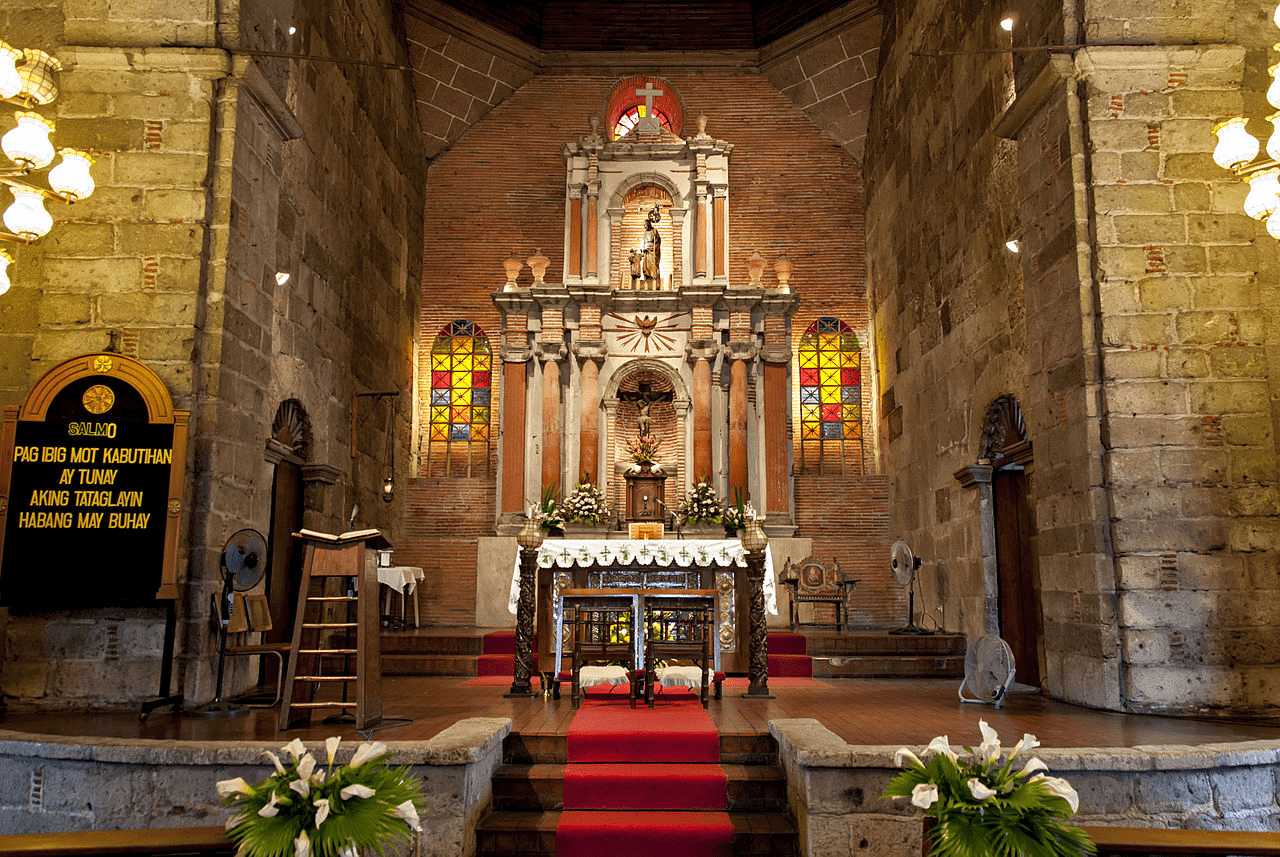
Manila is the capital and largest city of the Philippines, the main political, cultural, industrial and financial centre of the country, and the centre of the large Metro Manila agglomeration.
The history of Manila is full of events that have had a great impact on the Philippines as a whole. This is where the events took place that influenced the country’s current way of life: for 400 years the Philippines was governed by Spain, then for 50 years by the United States, and for 4 years by Japan, until, after the Second World War, the country’s independence was proclaimed here. The colonial era was very significant for the Philippines and left a huge historical legacy in the form of the first stone fortress, the first university, and much more.
Manila is a unique city, the only one of its kind, an amalgam of different cultures and eras, of different religions, of different nationalities. And it is the friendliest capital of Asia’s capitals — a city where you can take in its beautiful historic centre, stroll along the picturesque Manila Bay, visit museums, ride in a horse-drawn carriage or in a jeepney.
Intramuros (Old Manila)
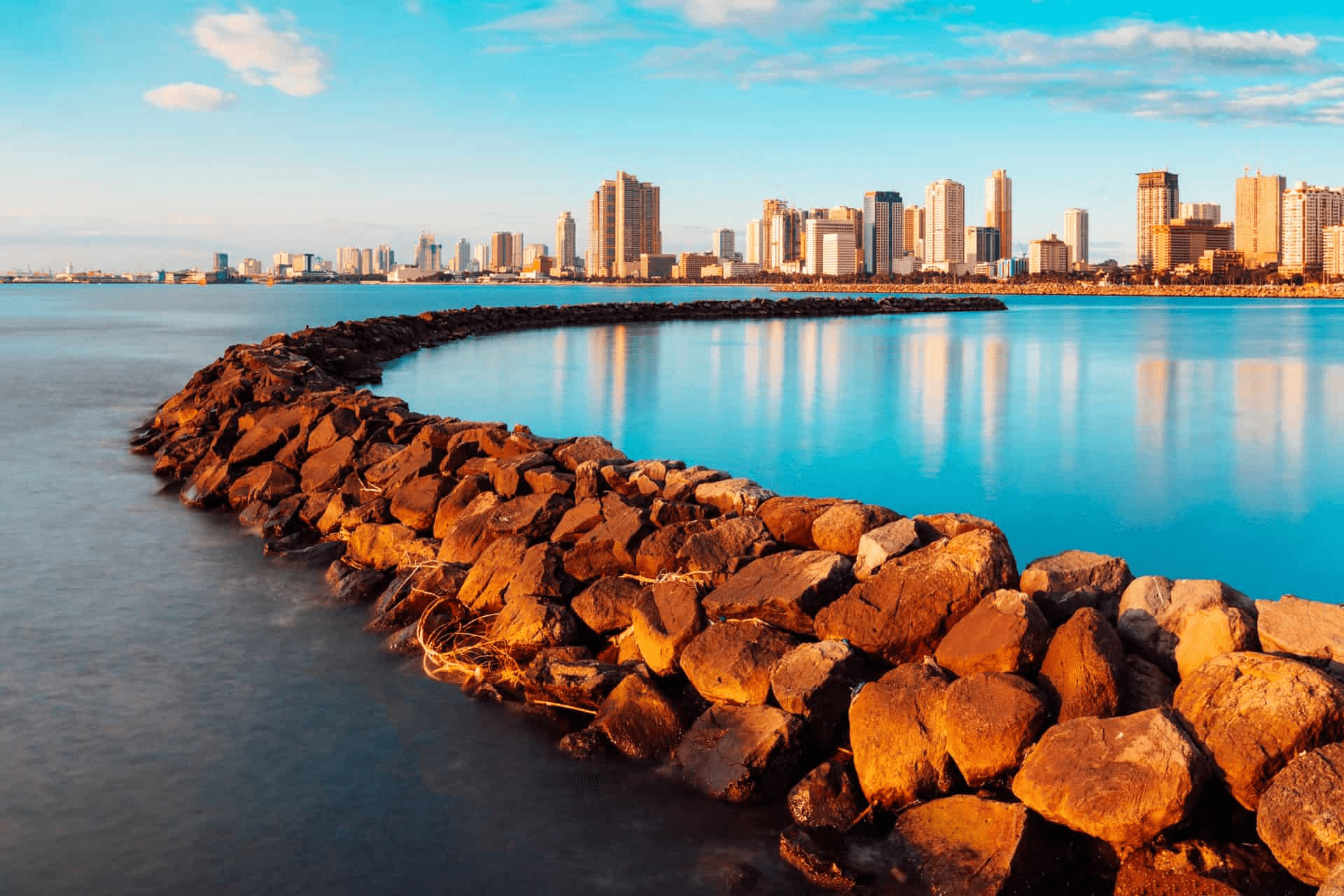
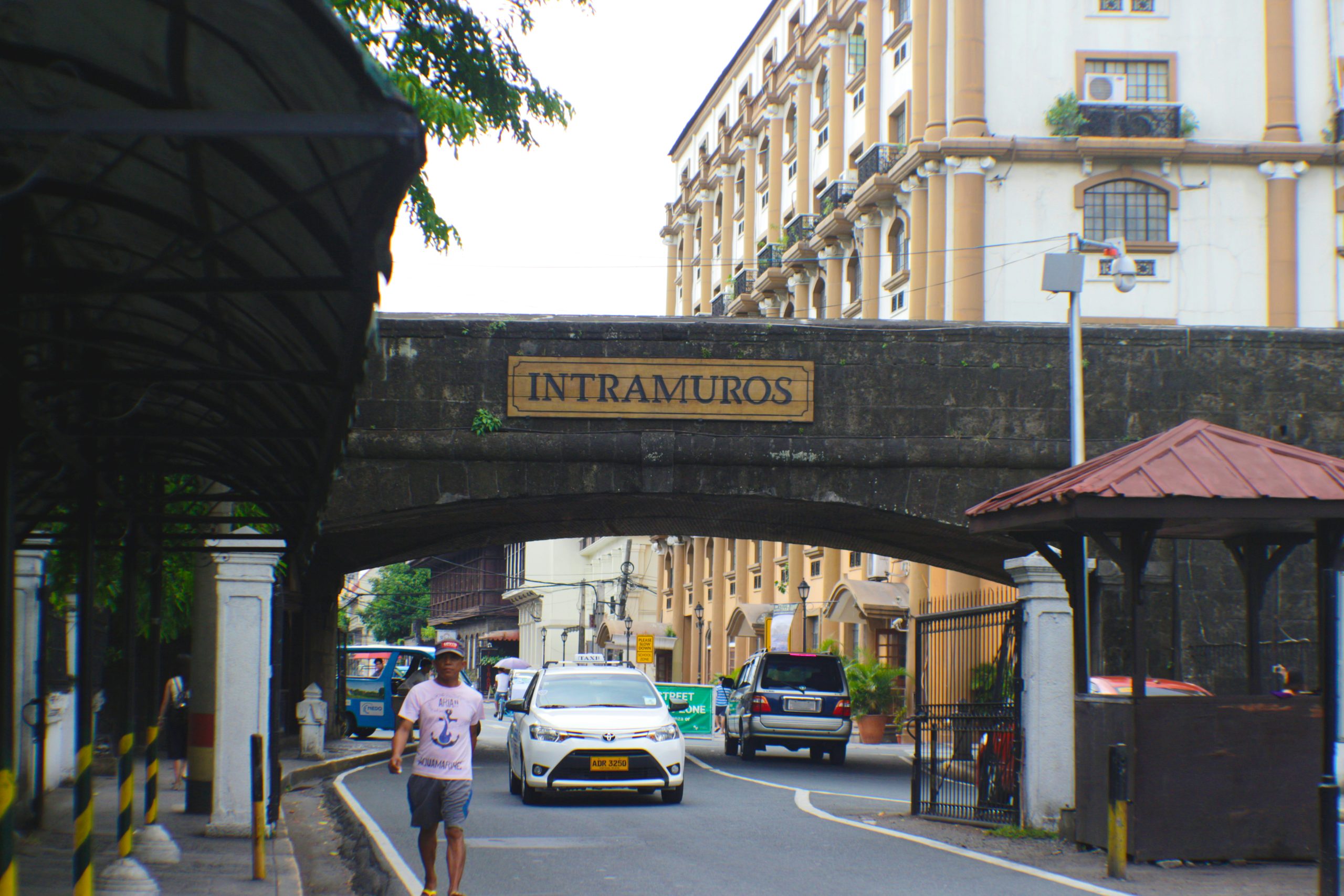
Intramuros (Spanish for “within the walls”) is a historic district of Manila where the seat of the Spanish government in the Philippines was located from the late 16th century. The Spanish fortress of Intramuros is the most significant historical site of the Philippines and a popular tourist attraction.
On the territory of Intramuros there is the Manila Cathedral, the San Agustin Church (the oldest stone church in the Philippines), the San Agustin Museum, Fort Santiago, the Casa Manila Museum (19th-century Filipino life), the Rizal Shrine Museum, a huge golf course, shops and restaurants. There are also several educational institutions: the University of Manila, the Lyceum, the University of Mapua, the Higher Nautical School and the University of the Philippines.
Rizal Park
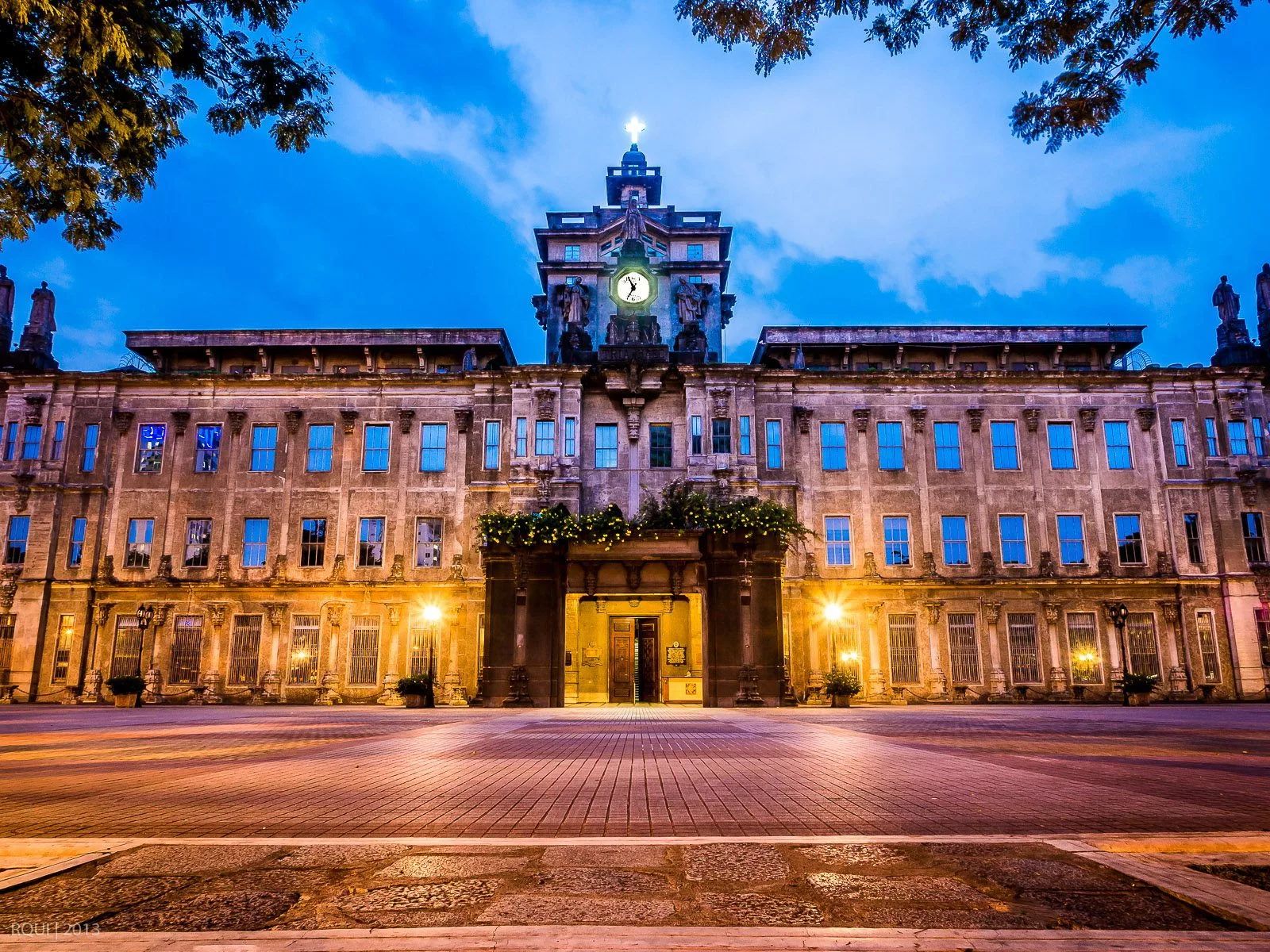
Rizal Park (Luneta) is a historic park in Manila. In the centre of the park stands the Rizal Monument, a symbol of the Philippines, and a monument to José Rizal — a writer, a hero of the national liberation movement, an ardent opponent of the Spanish rule. José Rizal is a symbol of the Philippines, of the whole nation, and a national hero of the country.
Excursions from Manila
Manila City Tour
It is said that you cannot understand Manila unless you have experienced Manila. On this tour you will visit the oldest district of the city — Intramuros (the old city within the fortress walls), built by the Spanish at the end of the 16th century. You will see the cathedral and the oldest churches and buildings, and visit Fort Santiago, from where your adventure — a tour to “Jurassic Park” — will begin. Hidden Valley is a national park in the crater of an extinct volcano, where hot springs and jungle await you, a 2-hour drive from Manila.

Hundred Islands + Manaoag Church
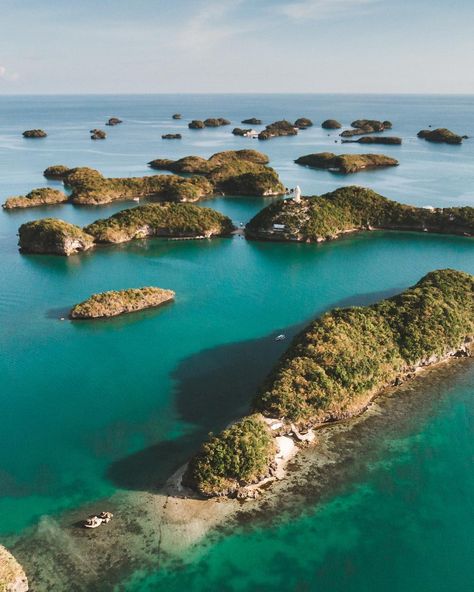
The Hundred Islands are a natural monument in the Philippines, a group of 123 tiny islands with the most beautiful bays and beaches. During the tour you will visit three of them — Governor’s, Quezon and Children’s Island — and enjoy the views, take photos and swim. You will also visit the church in Manaoag, one of the most revered shrines in the Philippines.
Taal Volcano and Manila City Tour
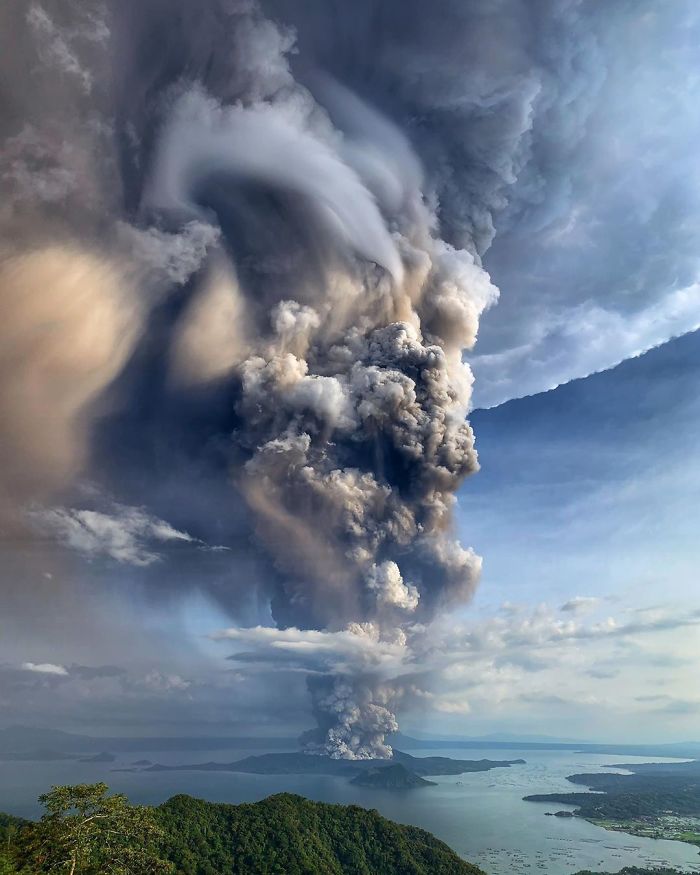
A tour of the capital of the Philippines and the famous Taal Volcano, with a visit to the observation deck overlooking Taal Lake, a boat trip on the lake and a horseback ride to the crater of the Taal Volcano — that is the real Manila!
Rice Terraces
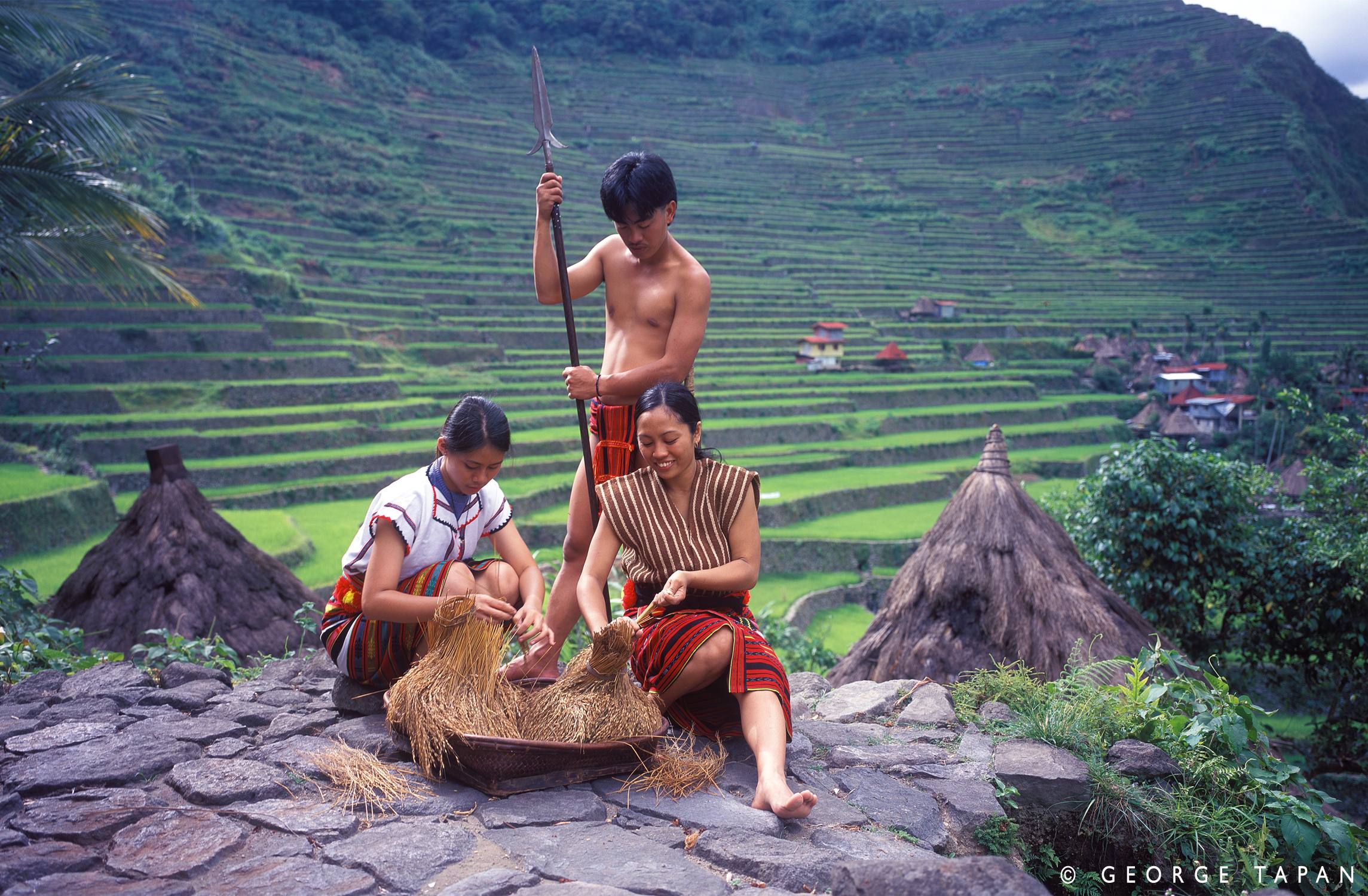
The Rice Terraces are amazingly beautiful structures built into the mountains, like “steps” to the sky, listed as a UNESCO World Heritage Site. The terraces were built by the Ifugao tribe over 2,000 years ago, and the unique irrigation system is still in use today.
Pagsanjan Falls + Manila City Tour
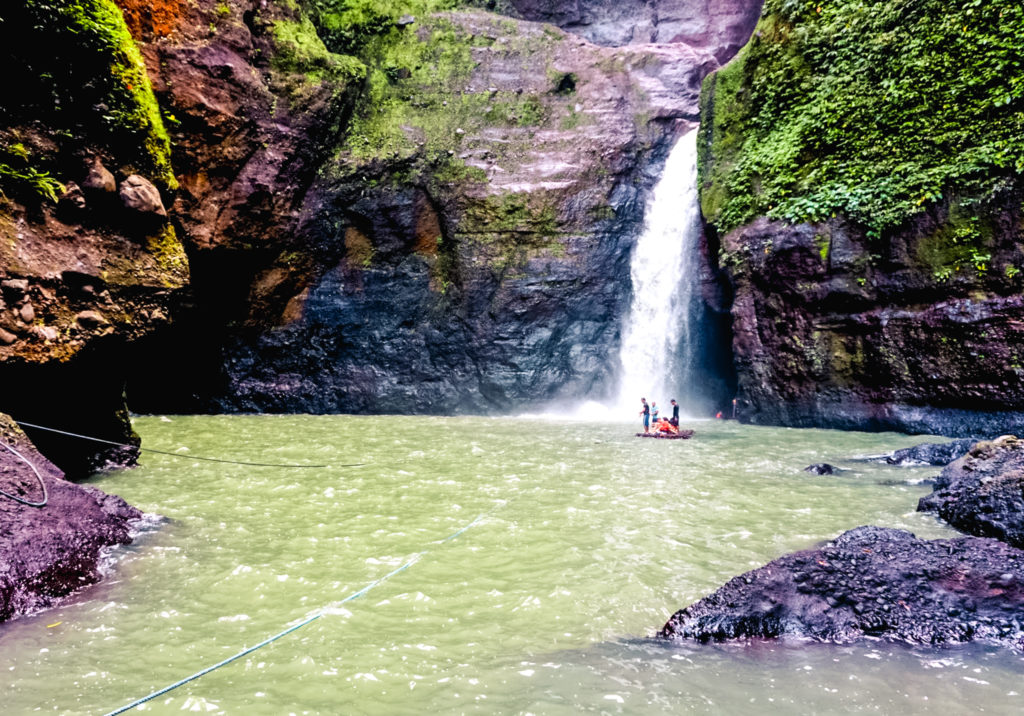
Pagsanjan Falls is the most famous waterfall in the Philippines, a two-hour drive from Manila. You will be taken to the falls in a boat, paddled by local boatmen, and you will see beautiful scenery along the way.
Manila’s unique location makes it a convenient starting point for travelling around the country. Manila is not only the country’s political and cultural centre, but also an amazing place that combines many cultures, nationalities and eras. It is not the city’s architecture that attracts travellers, but its spirit — not to that — rather to its size. We will do our best to help you to understand and love Manila, and it will definitely surprise you!
Villa Escudero
Villa Escudero is a working coconut farm, a 2-hour drive from Manila, where you can see the Filipino way of life. You will visit the Aera Museum, the largest private museum in the Philippines, and see the Church of San Pablo, built in the early 19th century, and the old hydroelectric power station, built in 1940.