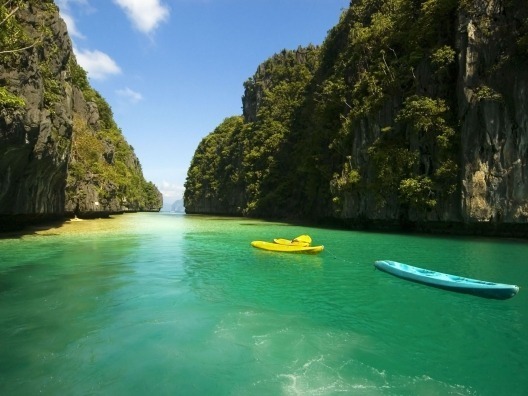
About the Philippines
About the Philippines
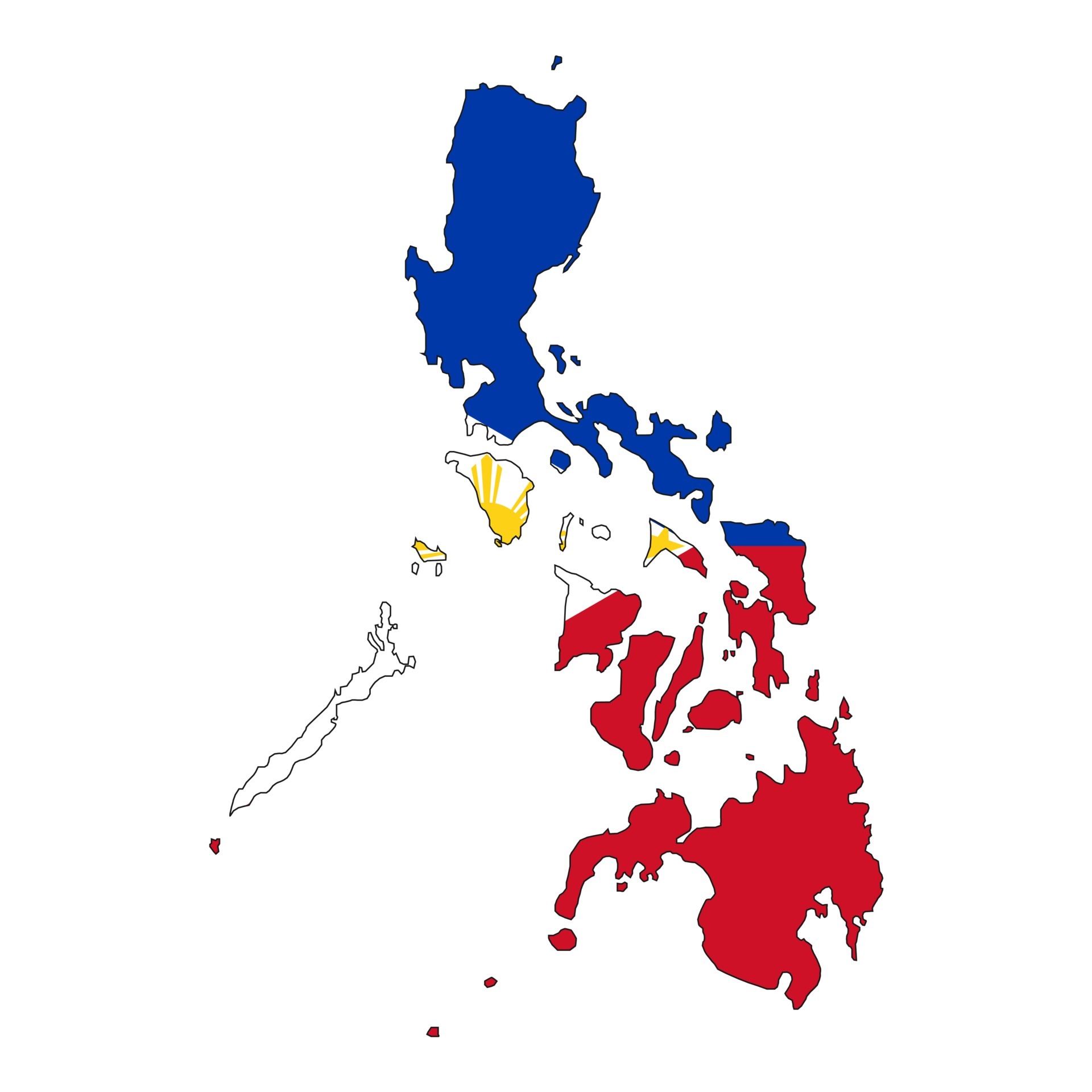
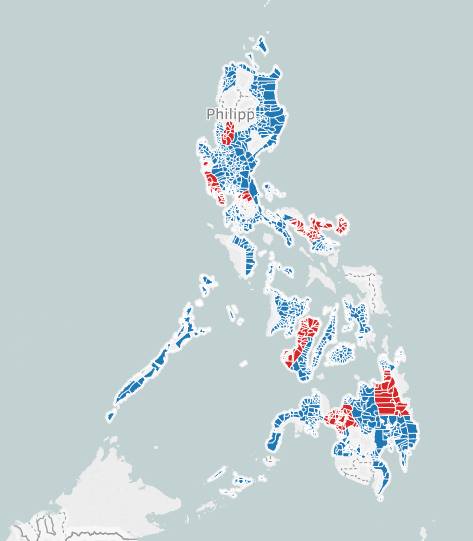
The Philippines is a tropical archipelago lying between the Pacific Ocean and the South China Sea. The Philippine islands are in fact semi-submerged mountain ranges — part of a vast mountain system stretching from Indonesia to Japan. Of the more than 7,000 islands, fewer than 10% are inhabited, and the 11 largest islands account for 96% of the total area of the Philippines.
Money in the Philippines
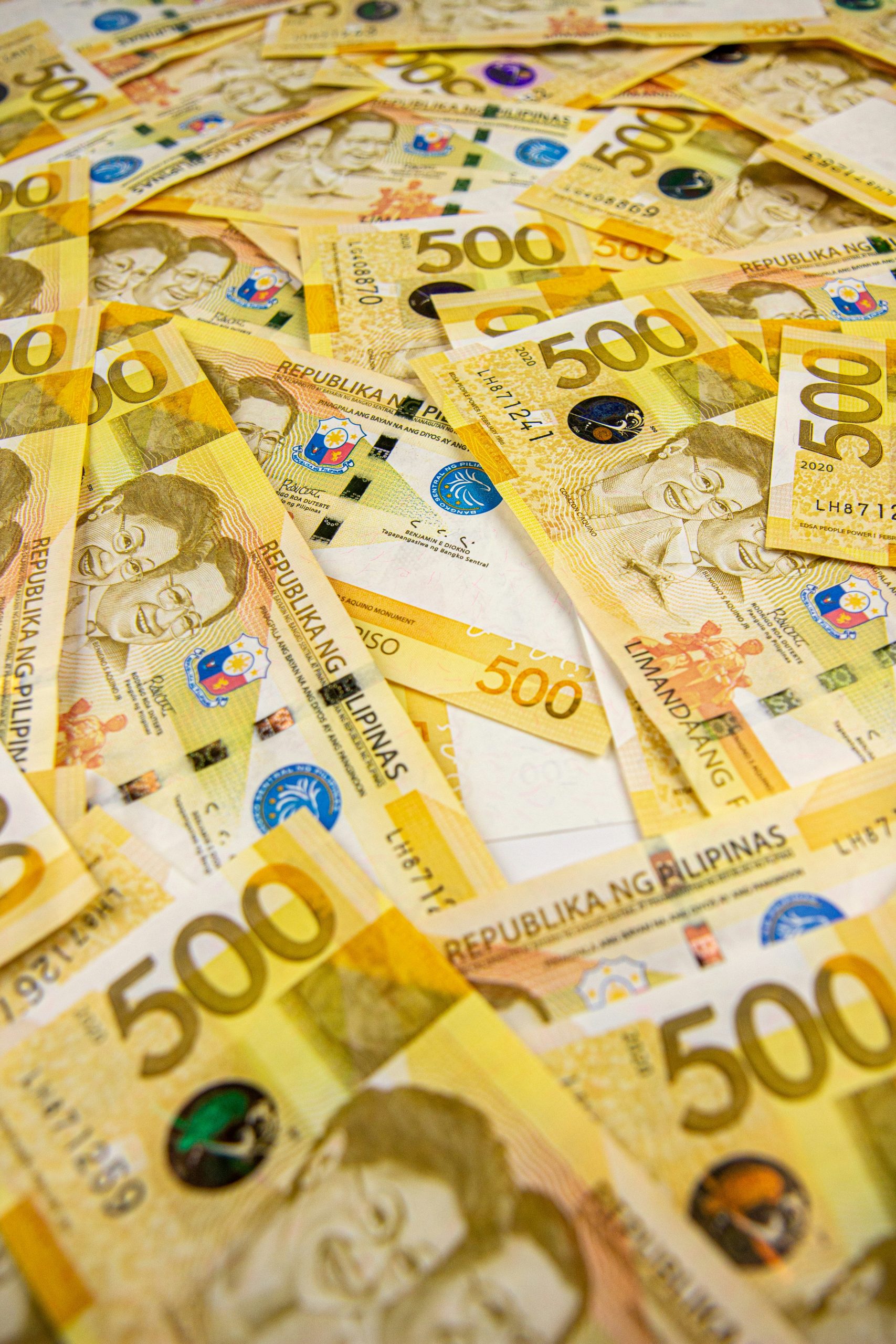
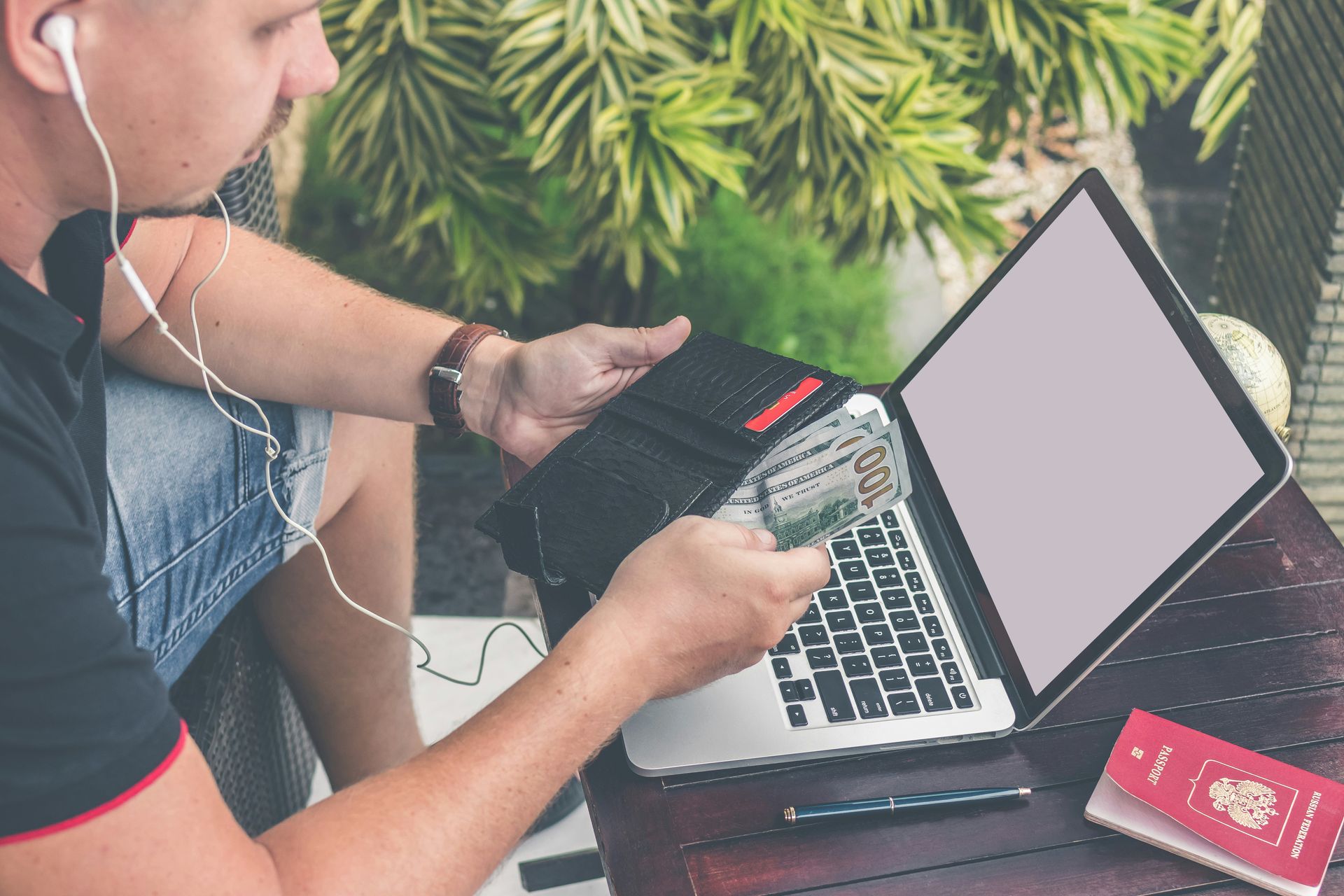
Which currency is best to take with you on a trip to the Philippines? The first choice, of course, is the US dollar. However, euros, yuan, yen, Australian or Canadian dollars and Thai baht are also accepted. Still, the most advantageous thing is to exchange money into US dollars. The best place to do this is Manila Airport, where the exchange rate is usually better than at exchange bureaus or hotels. On Boracay Island, though, the exchange rate is often lower.
The local currency of the Philippines is called the Philippine peso (or simply “peso”). Its ISO code is PHP. One peso is divided into 100 centavos (or sentimos).
Weather in the Philippines
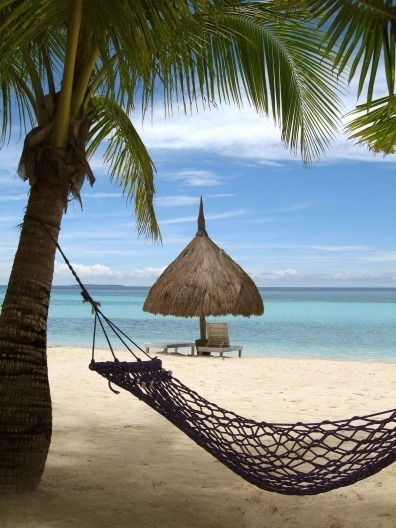
The Philippines is more than 7,000 islands, but the climate is practically the same everywhere. The weather across the archipelago differs mainly with altitude: the higher you go into the mountains, the cooler it gets.
There are generally two seasons: the dry season (December to April) and the rainy season (May to November).
The wettest period is from June to October. At the same time, resorts located “inside” the archipelago have no pronounced rainy season.
The best time to travel to the Visayas region (Cebu Island) is from December to May. There is practically no rain at this time, and you can enjoy sunny days and a beautiful blue sky.
Visa to the Philippines and Entry Requirements
If your stay in the Philippines does not exceed 30 days and you are a citizen of Russia, Latvia, Lithuania, Estonia, Kazakhstan, Kyrgyzstan, Tajikistan, Turkmenistan or Uzbekistan, you do not need a visa. On arrival you will be given a stamp for 29 days (not including the day of arrival). To be clear: if you arrive on 9 January, your arrival stamp will be valid until 8 February.
Citizens of Ukraine and Belarus need to arrange a visa in advance to enter the Philippines.
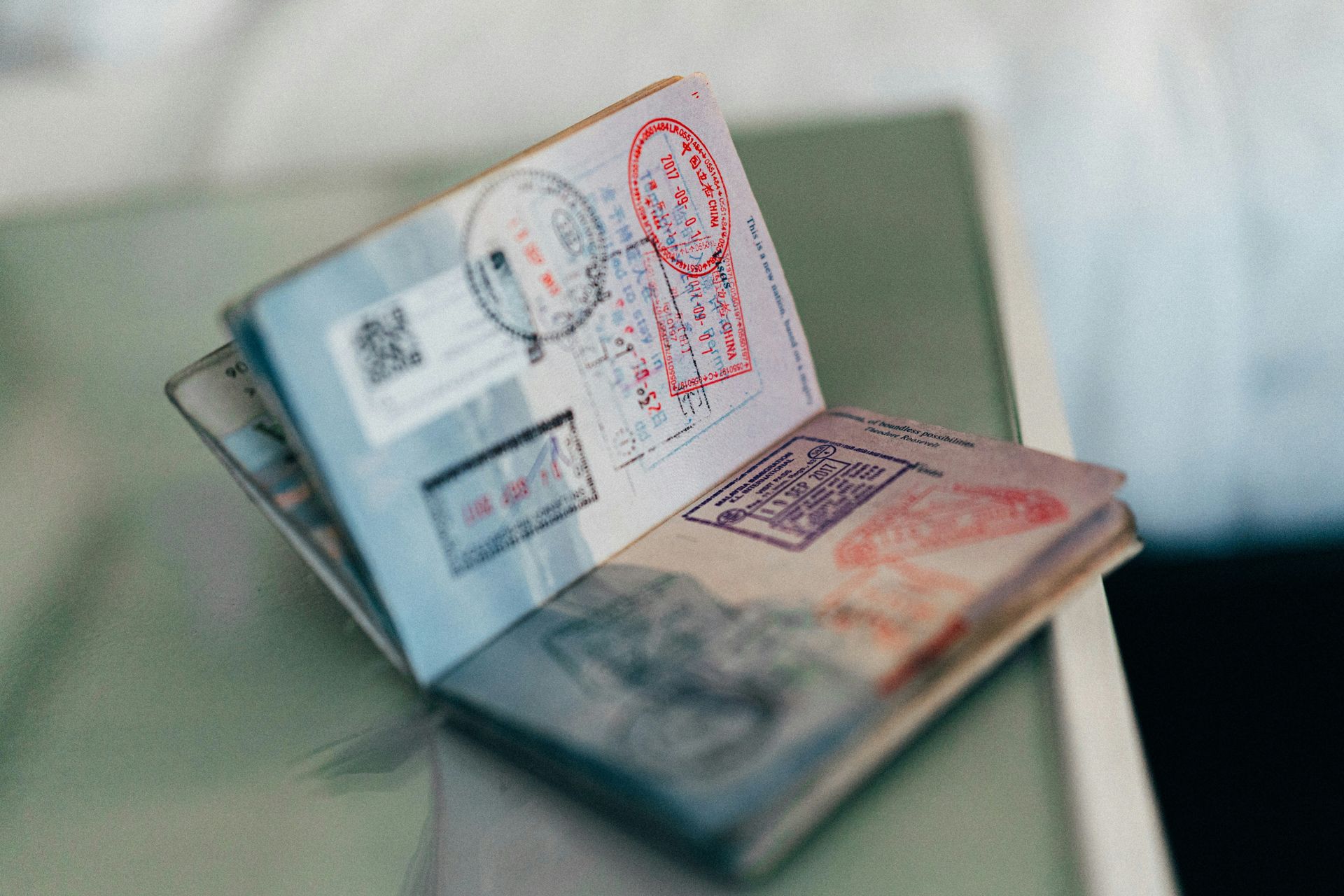
To successfully receive an entry stamp for the Philippines, you need a passport valid for at least 6 months from the date of entry, as well as a return ticket. You do not need to show medical insurance, hotel bookings or proof of funds. However, having a return ticket is an important requirement, as it may be requested even at your departure airport. Within 72 hours before entering the Philippines, you need to fill in the eTravel form.
Mobile Communications and the Internet
Today it is impossible to imagine travelling without internet access and mobile communications, especially in such a multinational and complex country as the Philippines. There are a huge number of islands, numerous resorts, a complicated transport system and changeable weather that you always need to keep up with. That is why we strongly recommend staying connected at all times during your trip around the Philippines.
How to Get to the Philippines Cheaply, and on What
There are many airports in the Philippine Islands. Usually the cheapest tickets from other countries are to Manila and Cebu. We advise checking those first. From there you can easily and cheaply fly to other cities and islands of the Philippines on local low-cost airlines.